Professional recoloring • Products & Tools
What belongs in a professional color system?
A professional color system combines color matching, surface preparation, flexible coating and controlled application.
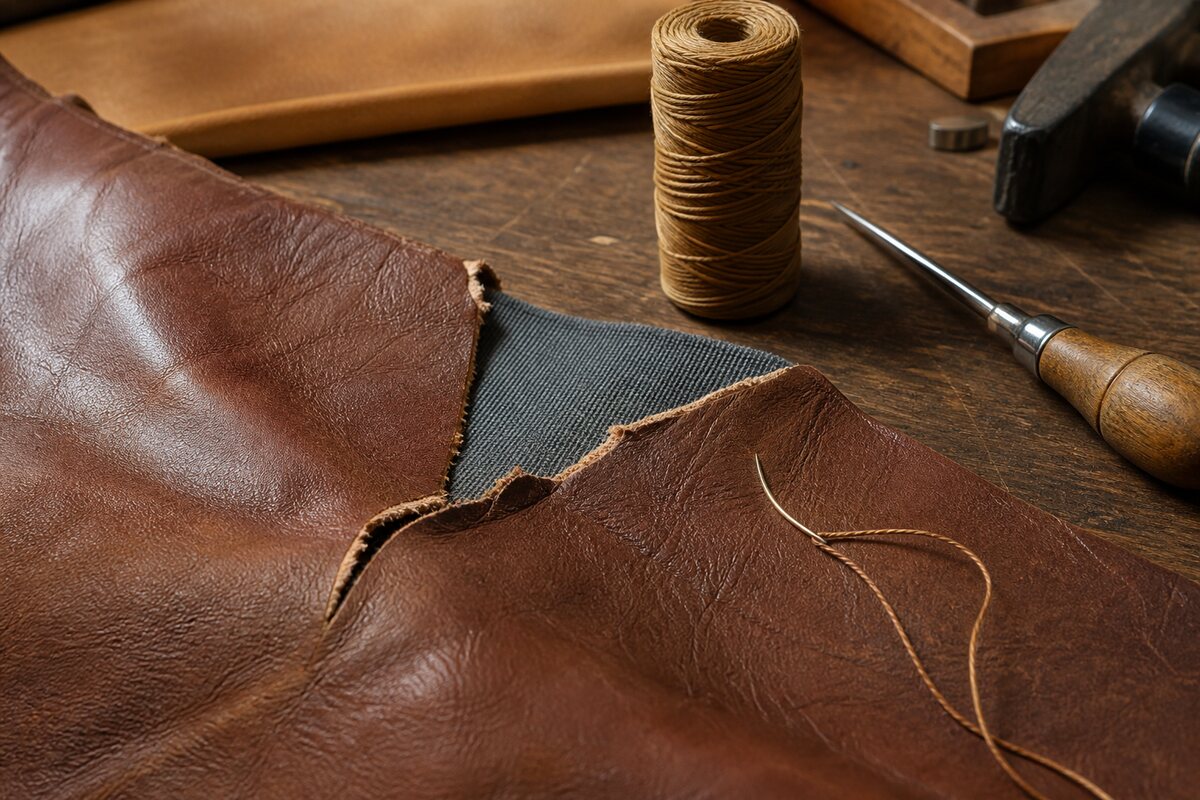
The visible color is only one variable. Sheen, grain, texture, opacity and adjacent aging all influence the result. An airbrush can distribute a finish, but it cannot fix a poor diagnosis.
A color system also needs cleaning discipline, test panels, ventilation and a plan for edges and touch points.
Choose a workflow that can be observed and adjusted, not a single universal color promise.
Color is one layer in a complete system
The same behaviour shows up in another setting, described in remapping leather interiors know.
An airbrush controls how a coating is delivered; it does not diagnose the surface or make incompatible material adhere. A professional color system begins with material identification and surface stability, then includes compatible cleaning, preparation, repair where needed, color construction, sheen control and cure. Leaving out one stage can produce a beautiful immediate photograph and an early failure at the first flex point.
Map old coatings, abrasion, cracks, oils and unknown dressings before preparation. Color that remains sound should not automatically be removed. A loose coating should not be sealed under a new one. The cleaning and refinishing boundary helps decide when preparation is revealing scope rather than simply making a panel look dull.
Match hue, value, grain and sheen
A color chip captures only a small part of appearance. Adjacent aging, grain shadow, opacity, gloss and the direction of light influence whether a repair integrates. Compare several samples under daylight and the item's normal artificial light. For vehicles, include the driver's viewing position; for furniture, step back to the usual room distance. A perfect wet color can shift as it dries and cures.
Build a spray-out on a representative offcut or prepared test panel. Record the mixture and number of passes. Add color gradually rather than hiding texture under one opaque coat. The desired outcome may preserve variation instead of flattening every panel. Set that standard with the owner before coating the visible item.
Control application and workshop risk
Follow the system maker's ventilation, filtration, personal protection, pressure, nozzle, drying and cure instructions. Isolate overspray from controls, stitching, perforations and adjacent materials. A color cup and airbrush require cleaning discipline because residue can change the next mixture or spray pattern. This is workshop work, not a decorative shortcut for an unventilated room.
Practice on a test panel to set atomization, overlap and distance. Watch for dry spray, pooling, edge build-up and blocked grain. If the surface reacts, the coating beads or contamination appears, stop and return to preparation. More passes do not solve an adhesion question. The controlled-test protocol remains relevant even inside a professional workflow.
Judge flexibility after full cure
A finish must remain coherent through the movement expected at its location. After the stated cure, flex a representative test through the actual radius and inspect edges and grain. Check transfer, drag and gloss. A rigid panel may tolerate a different build from a seat bolster or sofa cushion. Thickness should come from the system requirement, not from trying to bury damage under color.
Keep formula, preparation, environmental conditions and date with the item record. If a future touch-up is needed, that evidence is more valuable than visual guesswork. Recoloring is successful when the material remains stable, the finish moves with it and the repaired zone belongs to the whole object rather than announcing itself as a new painted patch.
Source note: Editorial method. Accessed August 25, 2026.